
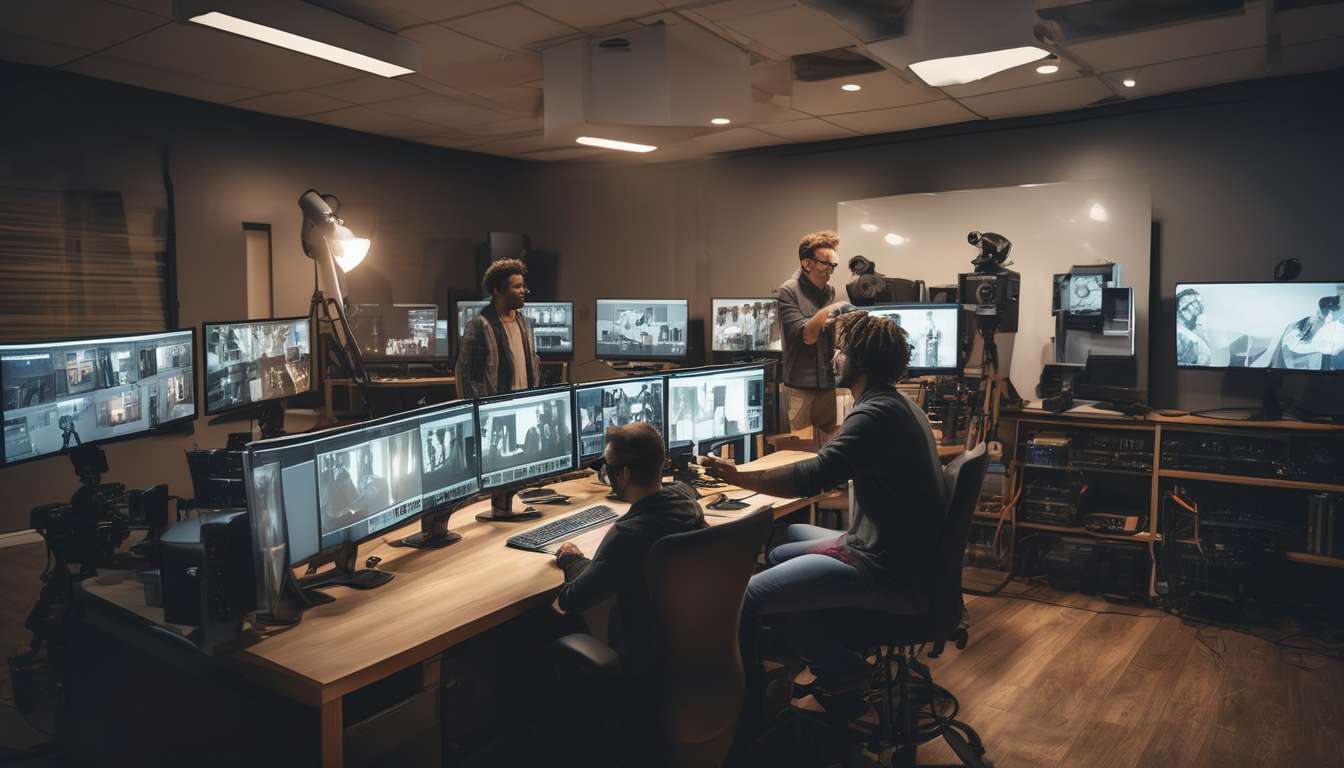
People who assume adult media production is purely instinctive and unregulated are overlooking a vital truth: structured training programs are reshaping the field.
We assert that formal education and standardized curricula do not stifle creativity; they enhance safety, professionalism, and ethical integrity.
As practitioners, educators, and advocates, we recognize that establishing clear standards helps performers, producers, and audiences navigate consent, health protocols, and legal compliance.
By investing in standardized training, we build a workforce that can:
- innovate responsibly,
- negotiate boundaries confidently,
- document practices transparently.
Our commitment to consistent instruction also creates measurable benchmarks for quality, enabling evaluators and policymakers to improve industry accountability.
We believe that embracing rigorous training programs elevates production values while protecting human dignity and public trust.
This article examines how comprehensive training frameworks support adult media production standards, the practical elements they must include, and the outcomes we can expect when learning becomes a cornerstone of professional practice.
Rationale for Training
Need for clear, standardized training
Clear, standardized training reduces safety risks, legal exposure, and quality variability across adult media production by ensuring everyone works from the same baseline of skills and expectations.
Consent protocols must be explicit, documented, and taught as nonnegotiable standards
- Explicit consent: teach how to obtain and confirm clear, affirmative consent before any activity.
- Documentation: require written or recorded consent forms and procedures for secure storage.
- Training: role-play and scenarios so consent practices are practiced, not just described.
On-set safety practices protect performers, crew, and producers
- Physical safety: cover hazard recognition, emergency procedures, and appropriate use of protective equipment.
- Psychological safety: include boundaries, de-escalation, and when/how to pause or stop a scene.
- Shared expectations: having the same baseline builds trust and lowers incident rates.
Training clarifies legal compliance and recordkeeping
- Local laws: explain applicable statutes and regulations specific to production location.
- Recordkeeping obligations: teach secure, auditable methods to store required documents.
- Contractual boundaries: make clear what contracts can and cannot override, and how to avoid common legal pitfalls.
Training builds community and makes adherence genuine
- Shared learning: newcomers and veterans learn together, so questions and concerns are welcomed.
- Supportive culture: fostering belonging shifts adherence from fear-driven compliance to mutual care.
- Protecting dignity and careers: when people trust the system and each other, the practices protect health, reputation, and livelihood.
Bottom line
Standardized, taught, and documented training centered on explicit consent, on-set safety, and legal clarity creates safer, more consistent productions and a community that sustains those standards.
Core Curriculum Components
Core curriculum structure
We’ll structure the core curriculum around essential modules that train practical skills, ethical judgment, documentation practices, and emergency responses.
Hands-on technical workshops
We design hands-on workshops for camera, lighting, and sound so everyone gains confidence and a shared vocabulary.
Consent protocols
We include sessions on consent protocols presented as clear, repeatable procedures that protect autonomy while fostering respectful collaboration.
On‑set safety routines
We teach on-set safety as a practiced routine:
- Risk assessment
- Physical safety checks
- PPE use
- Debrief protocols
These routines ensure each team member feels responsible and supported.
Legal compliance and exercises
We cover legal compliance with concise overviews of:
- Contracts
- Age verification
- Recordkeeping standards
- Reporting obligations
These are paired with real-case exercises to build competence, not fear.
Teamwork, tools, and continuous improvement
We balance technical instruction with role-based simulations that reinforce teamwork and mutual accountability.
We provide checklists and templates so standards become habitual, and we create feedback loops so the curriculum evolves with our community’s needs.
Overall goal
Together, we build a practical, rights-centered foundation that keeps people safe, informed, and included.
Consent and Communication
We teach clear, repeatable communication practices that ensure everyone gives informed, ongoing consent and can raise concerns without fear.
We establish simple consent protocols that:
- spell out expectations before any scene,
- confirm boundaries, and
- document agreements so everyone feels seen and respected.
We train teams to use plain language, check-ins, and agreed signals, and we rehearse how to stop, pause, and renegotiate.
We center belonging by encouraging open dialogue:
- performers, crew, and producers all share responsibility for respectful exchange,
- reporting routes are transparent and nonpunitive so raising a concern doesn’t isolate anyone, and
- on-set safety is embedded into conversational norms so practical behaviors match stated intentions.
We align practices with legal compliance by teaching:
- what documentation is required and why,
- how to preserve confidentiality and records, and
- how legal requirements intersect with everyday protocols.
By combining practical tools, role‑playing, and accountability, we create a culture where consent is active, communication is reliable, and everyone can participate with confidence and mutual trust.
Health and Safety Protocols
We prioritize clear, practical health and safety protocols that prevent harm, manage risks, and ensure everyone knows exactly how to respond to medical, environmental, and equipment-related incidents.
We create inclusive checklists and rehearsals so every participant feels seen, heard, and prepared.
Our training covers on-set safety basics — emergency contacts, first-aid stations, PPE use, fire and electrical precautions — and teaches teams to spot hazards before they become incidents.
We integrate consent protocols into safety briefings so boundaries and medical needs are respected alongside technical requirements.
We practice scenario-based drills that build confidence and mutual responsibility; nobody’s safety is left to chance.
We document procedures and reporting pathways in plain language everyone can use, and we encourage peer support and debriefs after challenging shoots.
We balance operational clarity with warmth, so compliance isn’t punitive but protective.
We align our procedures with legal compliance expectations while keeping attention focused on collective care, dignity, and creating environments where creativity and safety coexist.
Legal and Regulatory Literacy
We teach teams to recognize the laws, regulations, and industry standards that affect adult media production so everyone can make informed, compliant decisions on set.
We build a shared foundation in legal compliance, explaining local and national statutes, record-keeping requirements, and age verification responsibilities so every member feels confident and supported.
We center consent protocols as both ethical practice and legal necessity, training crews to document clear, ongoing affirmation and to respect boundaries without exception.
We create approachable checklists and role-based guidelines that integrate with on-set safety measures, so practitioners know who verifies paperwork, who monitors wellbeing, and how to escalate concerns.
We encourage questions, peer learning, and routine reviews so policies evolve with changing laws and community expectations.
By fostering inclusive dialogue and practical tools, we help teams embrace their responsibilities rather than fear them, ensuring productions run smoothly, protect participants, and uphold our collective standards for professionalism and care.
Technical Production Skills
We teach practical camera, lighting, sound, and editing techniques tailored to adult media so crews can produce professional, safe, and consistent content.
We focus on hands-on skills—framing intimate shots, controlling color and exposure, capturing clear dialogue, and efficient editing workflows—so every team member feels capable and included.
Training integrates consent protocols into technical routines.
- We rehearse camera placements and cueing with explicit agreement.
- We document performer and crew preferences before rolling.
On-set safety is part of our checklist.
- We train in equipment setup and hazard mitigation.
- We teach discreet communication methods that protect privacy while maintaining production quality.
We cover media handling standards and secure workflows.
- Secure file transfer and storage practices.
- Metadata practices that support legal compliance and performer rights.
We use simulated shoots to build shared vocabulary and mutual trust.
Our approach is practical and supportive:
- We provide repeatable techniques and documentation habits.
- We enable crews to work confidently, keep everyone safe, and meet regulatory expectations without compromising creative standards.
Ethical Decision-Making
We prioritize ethical decision-making.
We guide crews to weigh performer autonomy, power dynamics, and audience impact whenever they plan, shoot, or distribute content.
We create clear consent protocols.
These protocols ensure everyone knows boundaries, communication methods, and withdrawal options before cameras roll.
We foster an inclusive, accountable culture.
Questions are welcome, and team members should feel they belong to a respectful community that holds itself responsible for behavior and outcomes.
We emphasize on-set safety through practical measures.
- Designated safety officers
- Private check-ins
- Procedures for de-escalation and medical needs
We train crews to recognize and respond to coercion.
- Train to spot coercive dynamics.
- Empower crews to pause production when consent feels compromised.
We ensure legal and procedural compliance.
- Documentation and recordkeeping
- Age verification
- Content classification and regulatory adherence
We model transparent decision pathways.
This ensures ethical concerns are addressed quickly and fairly.
We embed these practices into routine training.
By doing so we build trust across roles, reduce harm, and strengthen the integrity of our work while keeping everyone included and respected.
Assessment and Certification
We will assess crew competence through standardized evaluations and certify individuals who demonstrate mastery of ethical decision-making, safety procedures, and regulatory responsibilities.
Assessment design mirrors real on-set scenarios.
- We measure understanding of consent protocols, on-set safety, and legal compliance.
- We use practical exams, role-play, written tests, and supervised shifts to verify skills.
- We score transparently so everyone knows where they stand.
Certification and remediation follow clear, supportive rules.
- People who reach predefined thresholds are certified.
- Those who don’t receive targeted remediation.
- The process fosters a supportive community rather than exclusion.
Records, renewal, and continuing education keep competence current.
- We maintain records and renew certifications periodically.
- We require continuing education to keep pace with evolving laws and best practices.
Assessors are trained to evaluate fairly and respectfully.
- Assessors are trained to be fair, consistent, and trauma-informed.
- Evaluations are designed to feel respectful and constructive.
Aligning certification with industry standards builds trust and belonging.
- Certification creates shared expectations that protect participants and promote trust.
- This approach raises professional standards while centering dignity, safety, and legal compliance.
What funding or scholarship options are available specifically for adults seeking training in media production for adult content, and how do I apply for them?
Overview — funding for adults entering adult content production
Short answer: Funding and scholarships specifically for producing adult content are rare and often informal, but several pathways exist: niche grants, industry-specific scholarships or bursaries, creator and platform funds, private sponsors or patrons, crowdfunding, and community or advocacy organization support. You should also prioritize legal, safety, and consent resources before applying.
How to find opportunities
1. Industry-specific and niche grants
- Check trade groups, sex-positive organizations, and arts councils that sometimes fund erotic art or sexual-health projects.
- Search for grants aimed at marginalized creators (LGBTQ+, sex workers, disabled artists) — these organizations sometimes fund adult-themed work.
- Example sources to check:
- Local arts councils (small grants for independent creators).
- Sex-positive nonprofits and health organizations that fund education or art projects.
- University/community arts departments that accept provocative/erotic work for exhibitions.
2. Scholarships and bursaries
- Formal academic scholarships for “adult content” per se are uncommon, but scholarships for media production, film, photography, or digital arts can be applied to adult-themed projects if allowed by the grantor’s rules.
- Community bursaries from sex-worker collectives or mutual-aid funds may offer small, needs-based support.
3. Creator and platform funds
- Creator platforms (e.g., OnlyFans alternatives, ManyVids-like marketplaces, niche platforms) sometimes offer creator funds, bonuses, or promotional grants. Eligibility often requires being a verified creator on that platform.
- Read platform terms carefully — many mainstream creator funds exclude explicit adult content, so focus on adult-friendly platforms.
4. Crowdfunding and patronage
- Platforms that allow adult content (e.g., certain subscription/patronage services) can be used to raise startup funds.
- Crowdfunding for adult content is possible on adult-permissive sites and via direct patronage; mainstream crowdfunding sites often prohibit explicit content.
- Tips:
- Offer clear tiers and deliverables.
- Be transparent about content, schedule, and safety measures.
5. Private sponsors and collaborations
- Private patrons, producers, or companies within the adult industry sometimes fund creators (profit split, paid shoots, production deals).
- Build relationships via networking, conventions, and industry groups.
6. Community funds and mutual aid
- Sex-worker unions, regional collectives, and harm-reduction groups may provide microgrants, emergency funds, or project support.
- These are often needs-based and prioritize safety, consent, and harm reduction.
How to prepare strong applications
1. Join networks and forums
- Join creator communities, sex-worker collectives, industry forums, and local arts groups to hear about openings.
- Attend conventions, workshops, and panels — many opportunities are announced there.
2. Prepare a professional portfolio
- Include sample work (age-verified collaborators), a short bio, production experience, technical skills, and a clear project proposal.
- Emphasize consent, safety protocols, and professionalism — funders want assurance that projects are ethical and lawful.
3. Follow application requirements exactly
- Tailor each application: budget, timeline, audience, purpose, and distribution plan.
- Include risk management: health/testing protocols, participant consent forms, legal counsel (see next section).
Legal, safety, and ethical considerations (must-do before applying)
1. Verify legal status
- Confirm the legality of your intended content and the laws in your jurisdiction (age of consent, production/distribution rules, recordkeeping like 18 U.S.C. 2257 in the U.S., obscenity laws, tax considerations).
- Consult a lawyer familiar with adult-entertainment law if possible.
2. Prioritize health and safety
- Implement STI testing policies (where appropriate), use vetted collaborators, maintain clear consent documentation, and follow safe on-set practices.
- Have transparent performer contracts and payment agreements.
3. Protect privacy and data
- Understand platform privacy settings, encryption for communications, and how to securely store legal/identity records.
Applying step-by-step (concise checklist)
- Research potential funders and verify their eligibility and content policies.
- Join relevant networks and gather references or endorsements.
- Draft a project proposal: goals, audience, budget, timeline, distribution.
- Prepare portfolio and proof of age/consent procedures.
- Submit tailored applications; follow up respectfully.
- If funded, keep detailed records and meet reporting requirements.
Where to look (practical starting points)
- Sex-positive nonprofits, sexual-health organizations, and arts councils in your area.
- Adult-friendly creator platforms and industry marketplaces.
- Sex-worker collectives, unions, and mutual-aid funds.
- Niche arts grants for marginalized creators.
- Conventions, workshops, and online communities (Reddit communities, Discords, specialized forums) — verify rules and safety before sharing personal info.
Red flags and cautions
- Avoid funders who demand exploitative terms, vague contracts, or control over personal accounts.
- Be wary of “sponsorships” that require unpaid labor with no clear benefit.
- Never ignore legal compliance or safety protocols to win funding.
If you want, I can:
- Help draft a concise project proposal or budget for a funding application.
- Suggest keywords and search strategies for grants in your country or region.
- Point to sex-positive organizations and community groups relevant to your location.
Are there recommended mentorship or apprenticeship programs that pair trainees with experienced adult media professionals for hands-on learning beyond classroom instruction?
We’ve found mentorships and apprenticeships that pair trainees with experienced adult media professionals for hands-on learning beyond classroom instruction.
We’ll seek peer-led collectives, boutique studios offering paid apprenticeships, and seasoned freelancers who mentor newcomers.
We’ll join online communities and industry networks to find openings, ask for portfolio reviews, and negotiate clear boundaries, pay, and learning goals.
We’ll prioritize safety, consent, and professional references throughout the process.
How do training programs address career transition or job placement services for those who want to move into mainstream media or leave the adult industry?
We acknowledge the question about career transition and job placement services.
We offer résumé workshops, interview coaching, and portfolio development tailored to mainstream industries.
We provide confidentiality safeguards and networking introductions.
We connect trainees with career counselors, alumni mentors, and partner employers who value transferable skills.
We provide referrals to mental health and financial planning resources.
We celebrate each step toward new opportunities so everyone feels supported and seen.
Conclusion
You’ll leave training ready to run shoots that respect performers, meet legal standards, and produce high-quality work.
You’ll communicate clearly, secure informed consent, and enforce health and safety protocols while applying technical skills and ethical judgment.
Ongoing assessment and certification will prove your competence and commitment to professional norms.
With this foundation, you’ll contribute to an industry that values dignity, accountability, and sustainable practices—making safer, better productions the expected standard, not the exception.